cocaine
Cocaine: Educational Overview, Effects, Risks, and Important Information
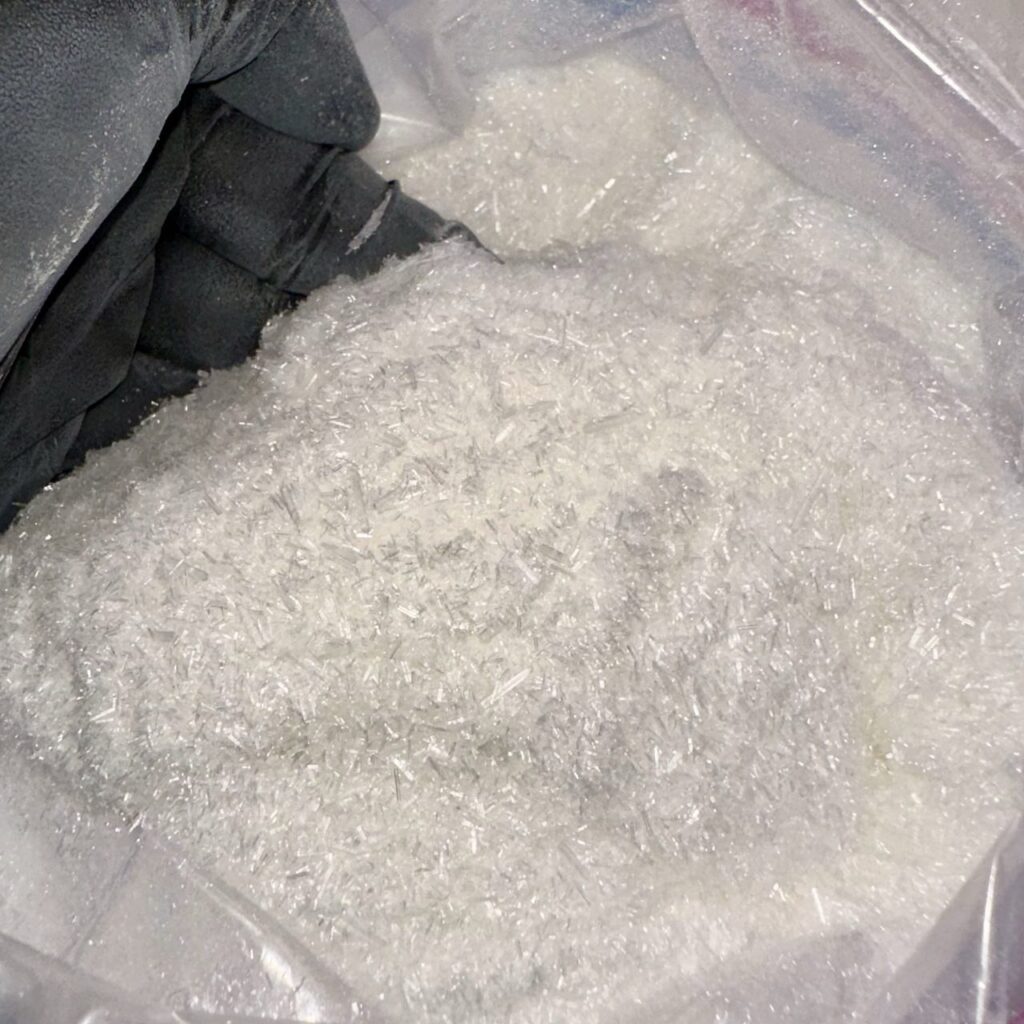
Cocaine is a powerful stimulant substance that comes from the leaves of the coca plant (Erythroxylum coca), which is native to parts of South America. Historically, coca leaves have been used in traditional practices by some Indigenous communities, but purified cocaine is a much stronger substance with significant effects on the brain and body.
Cocaine works primarily by affecting the brain’s reward system, especially by increasing levels of dopamine, a chemical messenger involved in pleasure, motivation, and movement. This increase in dopamine activity can create feelings of increased energy, alertness, confidence, and euphoria. However, these effects are often short-lived and may be followed by negative physical and emotional changes.
Effects of Cocaine on the Body and Mind
Cocaine can produce a range of effects because it strongly stimulates the central nervous system. Some commonly reported effects include:
- Increased energy and alertness
- Feelings of excitement or euphoria
- Increased confidence and talkativeness
- Reduced appetite
- Increased heart rate and blood pressure
- Increased body temperature
- Changes in mood and perception
The intensity and duration of effects can vary depending on factors such as the amount taken, the person’s health, and the method of use.
Risks and Side Effects
Although cocaine may produce temporary pleasurable effects, it also carries significant health risks. Short-term side effects may include:
- Anxiety or restlessness
- Irritability
- Trouble sleeping
- Increased heart rate
- Chest discomfort
- Paranoia or fear
Long-term or repeated use can lead to serious problems, including changes in brain function, difficulty controlling use, cardiovascular problems, and mental health challenges. Cocaine can also lead to dependence and addiction, where a person feels a strong urge to continue using it despite negative consequences.
Cocaine and the Brain
Cocaine affects areas of the brain involved in reward, decision-making, and impulse control. Repeated exposure can alter the brain’s natural reward pathways, making it harder for some individuals to experience pleasure without the substance. This can contribute to cravings and continued use.
Medical and Legal Considerations
Cocaine is not approved as a general treatment medication in most countries and is classified as a controlled substance in many regions due to its high potential for misuse and dependence. Laws regarding possession, distribution, and use vary depending on location.
Importance of Awareness and Safety
Understanding cocaine’s effects and risks is important for making informed decisions. People who are concerned about their own use or someone else’s use can seek support from healthcare professionals, addiction specialists, or trusted support services.
Conclusion
Cocaine is a powerful stimulant that can create intense short-term effects but also carries serious risks to physical health, mental well-being, and overall quality of life. Learning about how cocaine affects the brain and body helps promote awareness, prevention, and safer choices.
-
2C-B
Price range: $60.00 through $520.00 -
Ace ultra 2G Disposable World Cup Edition
Price range: $50.00 through $1,000.00 -
Ace Ultra Premium 2G Disposable Signature Gold Collection
Price range: $50.00 through $1,000.00 -
Ace Ultra Premium Gold Edition 2G Disposable
Price range: $150.00 through $1,000.00 -
Adderall (ADHD pills)
Price range: $50.00 through $1,100.00 -
African Transkei Mushrooms
Price range: $150.00 through $800.00 -
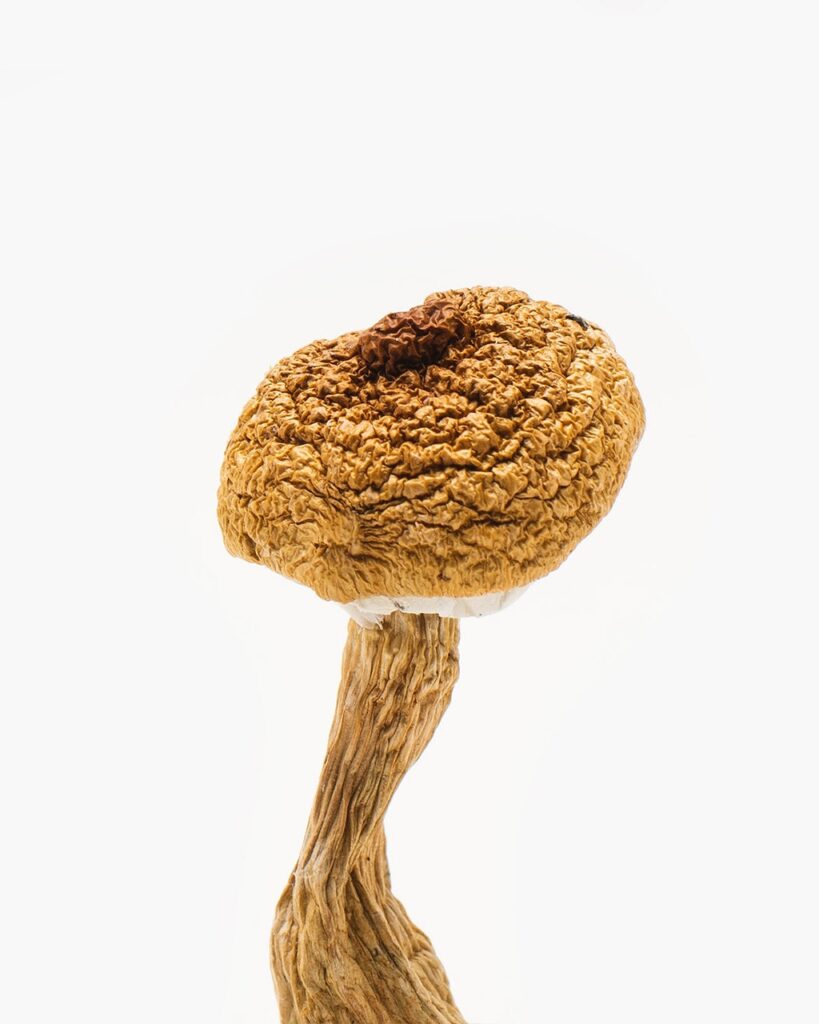
Albino Penis Envy Mushrooms
Price range: $120.00 through $1,100.00 -
Alice mushroom chocolate bars 1
Price range: $40.00 through $400.00 -
Amazonian Mushroom
Price range: $180.00 through $1,050.00 -
Avery Albino Mushroom
Price range: $210.00 through $850.00 -
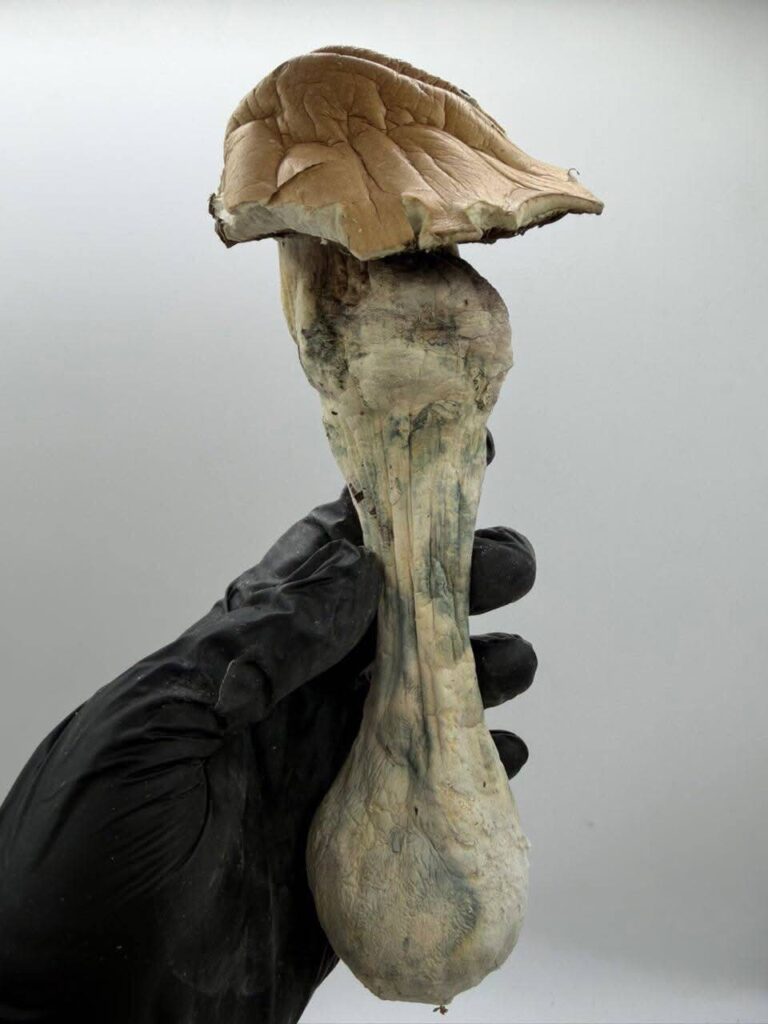
B+ Magic Mushrooms
Price range: $210.00 through $950.00 -
B+ mushroom spore syringes
Price range: $100.00 through $250.00 -
Blue Domino MDMA
Price range: $100.00 through $900.00 -
Blue Meanie Mushroom
Price range: $230.00 through $1,050.00 -
Blue meanies spores
Price range: $100.00 through $250.00 -
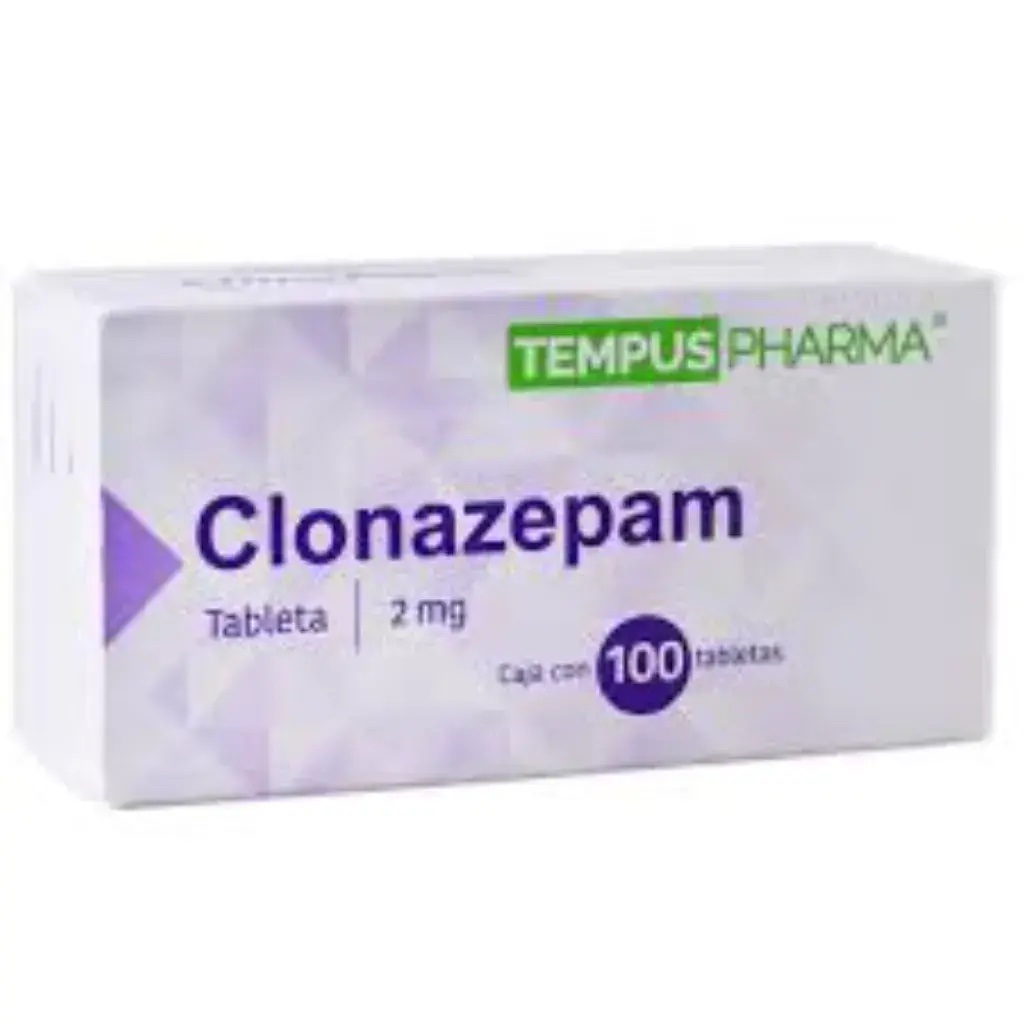
Clonazepam 2mg
Price range: $60.00 through $800.00 -
Cocaine
Price range: $65.00 through $1,200.00 -
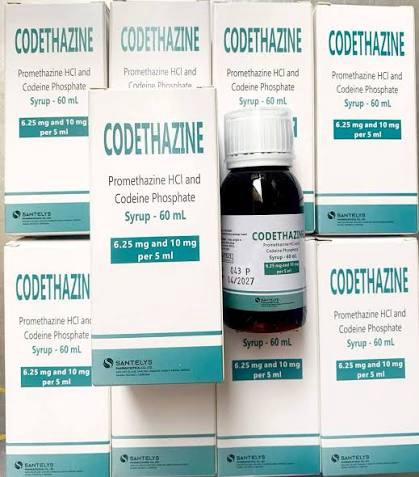
Codethazine promethazine with codeine syrup 60ml
Price range: $40.00 through $300.00 -
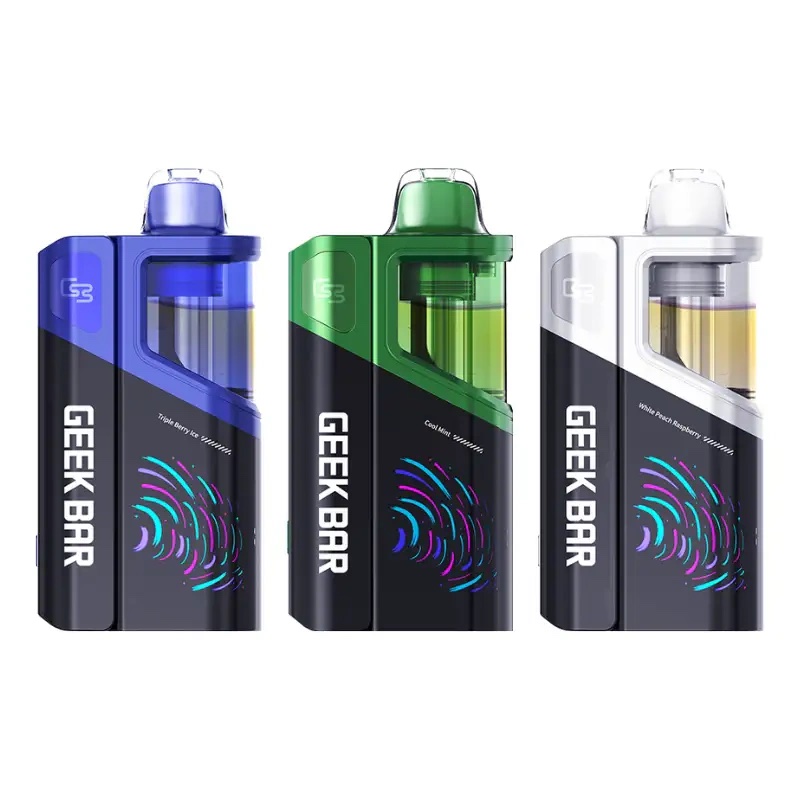
Geek Bar Clio Platinum 50K Disposable Kit (5%,50000 Puffs)
Original price was: $20.00.$18.00Current price is: $18.00. -
Geek Bar Clio Platinum 50K Disposable Pod (Requires Kit For Use)
Original price was: $20.00.$18.00Current price is: $18.00. -
Geek Bar CLR 50K Disposable Vape (5%, 50000 Puffs)
Original price was: $20.00.$18.00Current price is: $18.00. -
Geek Bar Hookah X 25K Disposable (5%, 25000 Puffs)
Original price was: $20.00.$18.00Current price is: $18.00. -
Geek Bar Mate 60K Disposable Kit (5%, 60000 Puffs)
Original price was: $20.00.$18.00Current price is: $18.00. -
Geek Bar Mate 60K Disposable Pod (Requires Kit For Use)
Original price was: $22.00.$19.00Current price is: $19.00. -
GEEK BAR PULSE 2 25k DISPOSABLE VAPE – 25000 PUFFS
Original price was: $40.00.$18.00Current price is: $18.00. -
GEEK BAR PULSE X 2 50K DISPOSABLE VAPE – 50000 PUFFS
Original price was: $20.00.$18.00Current price is: $18.00. -
Geek Bar Pulse X 25000 Disposable Vape (5%, 25000 Puffs)
Original price was: $20.00.$18.00Current price is: $18.00. -
Golden Teacher Mushroom
Price range: $250.00 through $1,200.00 -
Golden Teacher spores
Price range: $100.00 through $250.00 -
Goldie Magic Mushrooms
Price range: $220.00 through $1,100.00 -
Ketamine
Price range: $65.00 through $1,200.00 -
Ketamine HCl Injectable 500mg/mL 10mL
Price range: $150.00 through $400.00 -
Liberty Cap Mushroom
Price range: $250.00 through $1,300.00 -
Lion’s mane Mushroom
Price range: $250.00 through $1,300.00 -
Lion’s mane (syringe) mushroom spore
Price range: $100.00 through $250.00 -
Liquid LSD
Price range: $250.00 through $1,100.00 -
Lost Mary BM6000 Prefilled Pod Kit
Original price was: $15.00.$14.00Current price is: $14.00. -
Lost Mary MB600
Original price was: $20.00.$18.00Current price is: $18.00. -
LOST MARY MO20000 PRO DISPOSABLE VAPE – 20,000 PUFFS
Original price was: $15.00.$14.00Current price is: $14.00. -
Lost Mary MT35000 Turbo 35K Disposable Vape (5%, 35000 Puffs)
Original price was: $20.00.$18.00Current price is: $18.00. -
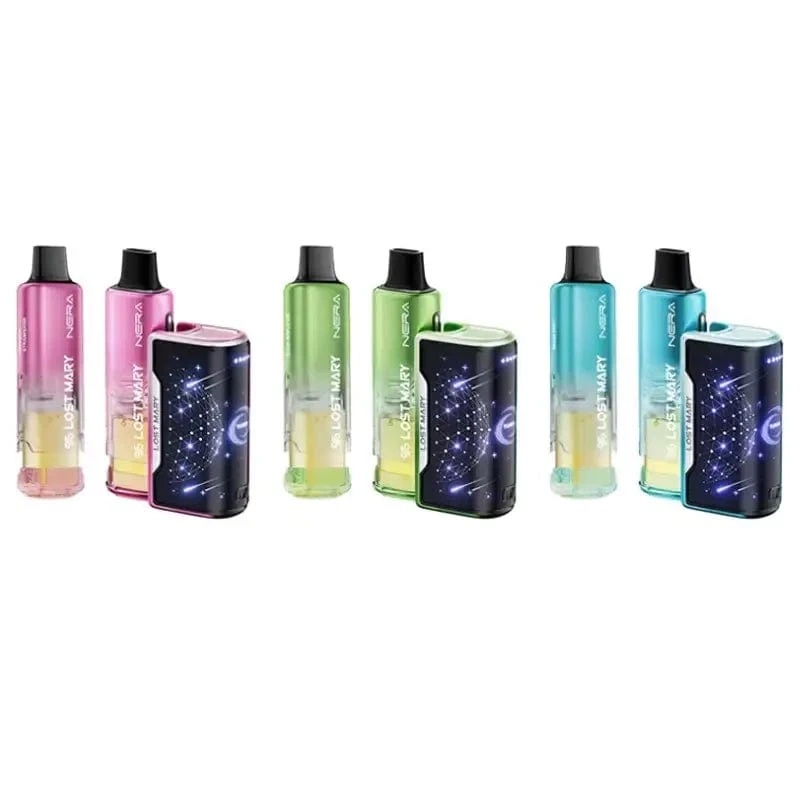
Lost Mary NERA Full view 70K Disposable Vape (5%, 70000 Puffs)
$18.00 -
Lost Mary QM600 Disposable Vape
Original price was: $15.00.$14.00Current price is: $14.00. -
Lost Mary VIZ 55K Disposable Vape (5%, 55000 Puffs)
Original price was: $25.00.$18.00Current price is: $18.00. -
LSD Gel Tabs 350μg
Price range: $45.00 through $500.00 -
LSD sheet 100ug-500ug
Price range: $30.00 through $450.00 -
MDMA powder (Ecstasy)
Price range: $330.00 through $1,100.00 -
Methamphetamine(crystal meth)
Price range: $70.00 through $1,200.00 -
Microdosing pills
Price range: $100.00 through $700.00 -
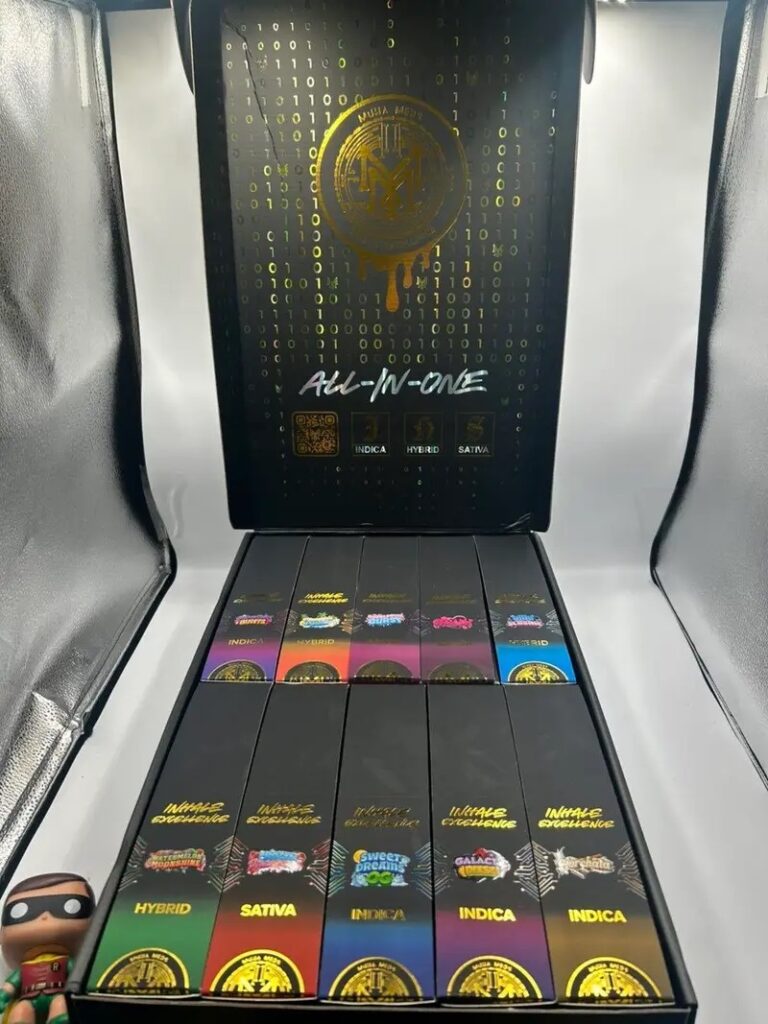
Muha Meds 2G Disposable
Price range: $150.00 through $1,000.00 -
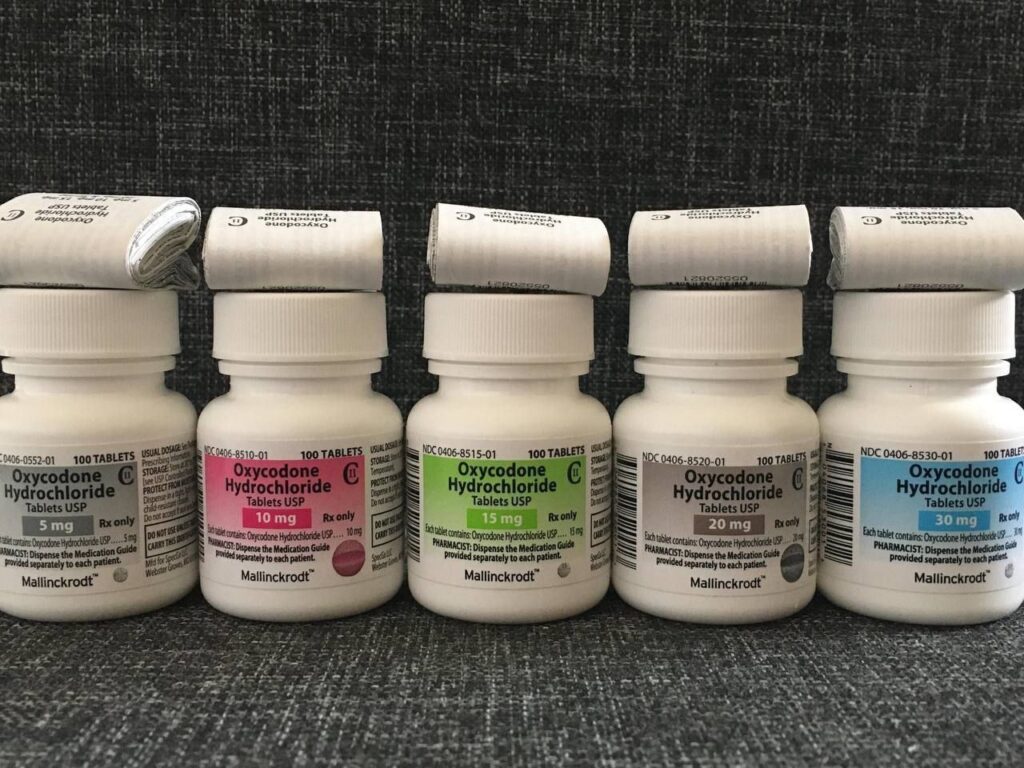
Oxycodone
Price range: $60.00 through $1,000.00 -
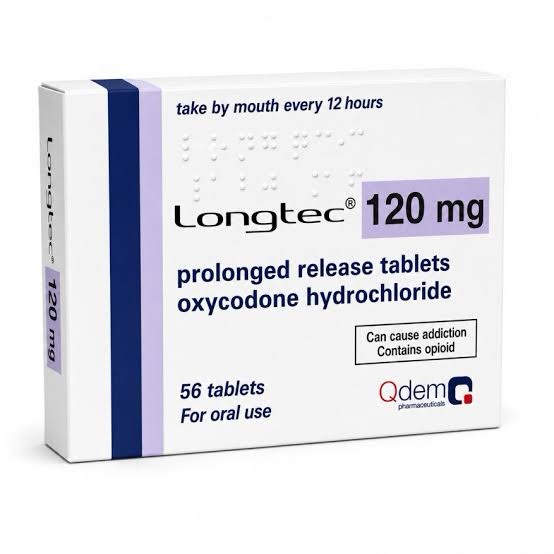
Oxycodone 120mg
Price range: $40.00 through $700.00 -
Penis Envy Mushrooms
Price range: $230.00 through $1,100.00 -
Penis envy spores
Price range: $100.00 through $250.00 -
Polkadot Mushroom Chocolate Bars
Price range: $60.00 through $675.00 -
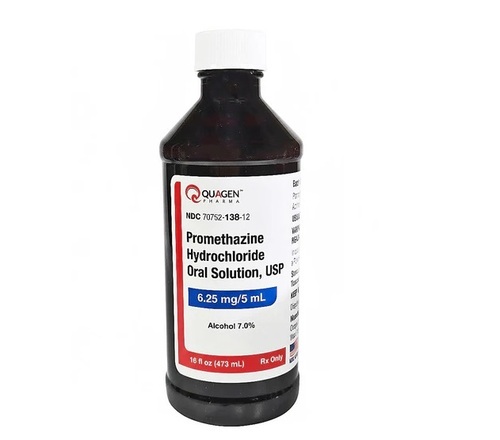
Quagen Codeine Cough Syrup (lean)
Price range: $350.00 through $3,000.00 -
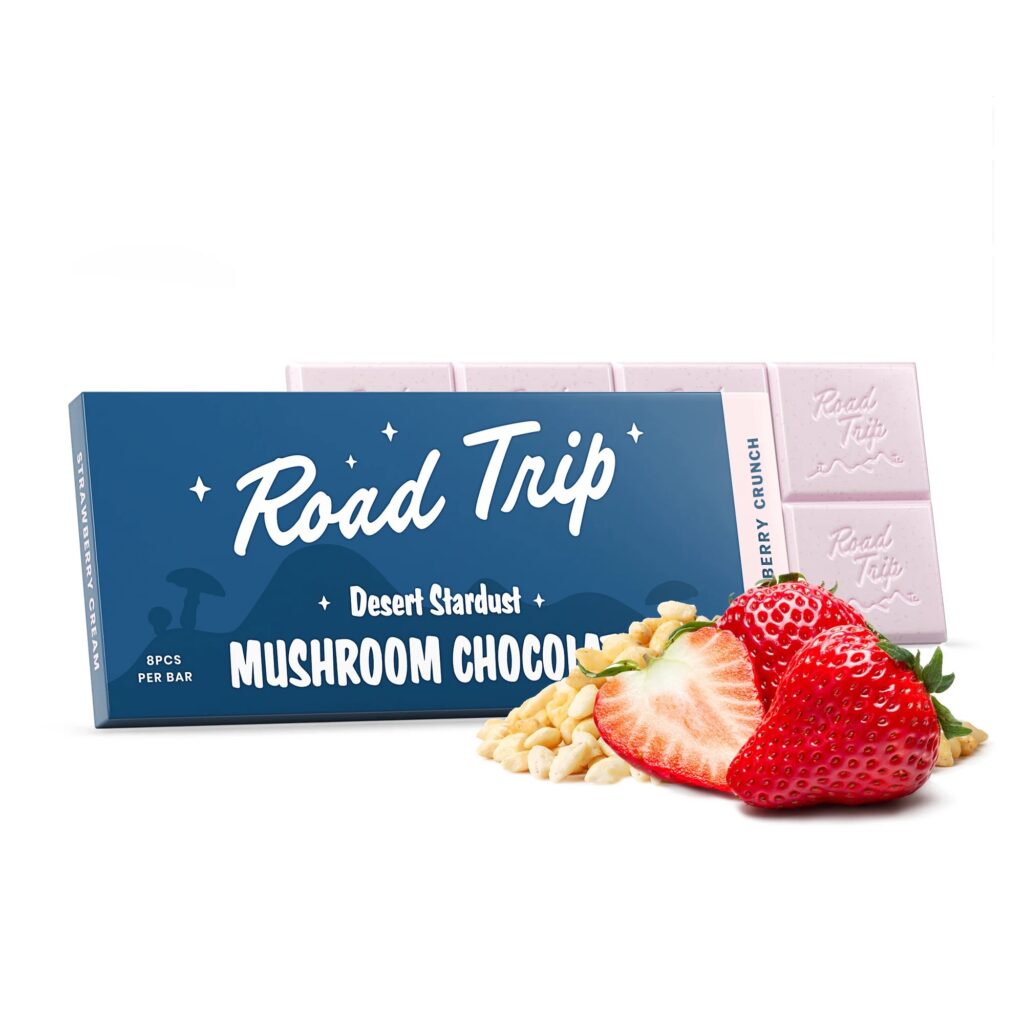
Road Trip Desert Stardust Mushroom Chocolate Bar
Price range: $30.00 through $150.00 -
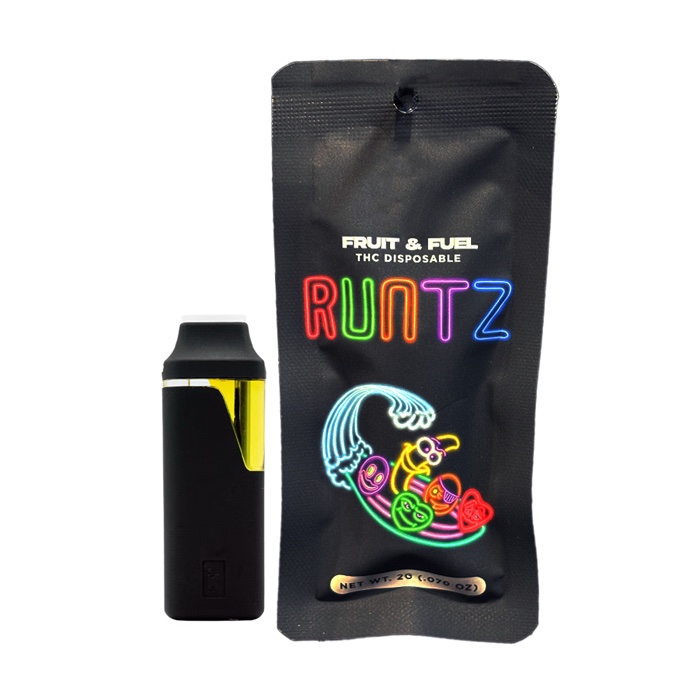
Runtz 2G disposable vape
Price range: $150.00 through $900.00 -
Texas Penis Envy 6 Mushrooms
Price range: $230.00 through $1,100.00 -
Texas Yellow Caps Mushrooms
Price range: $230.00 through $1,100.00 -
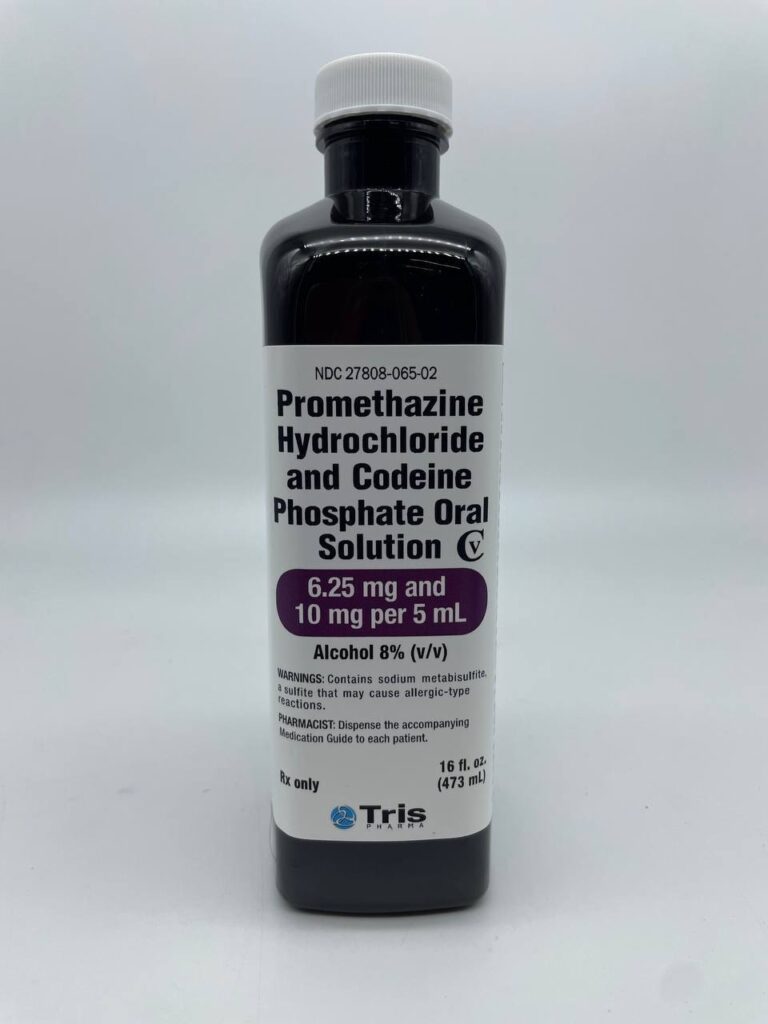
Tris 473ml codeine syrup (Tris Lean)
Price range: $400.00 through $3,000.00 -
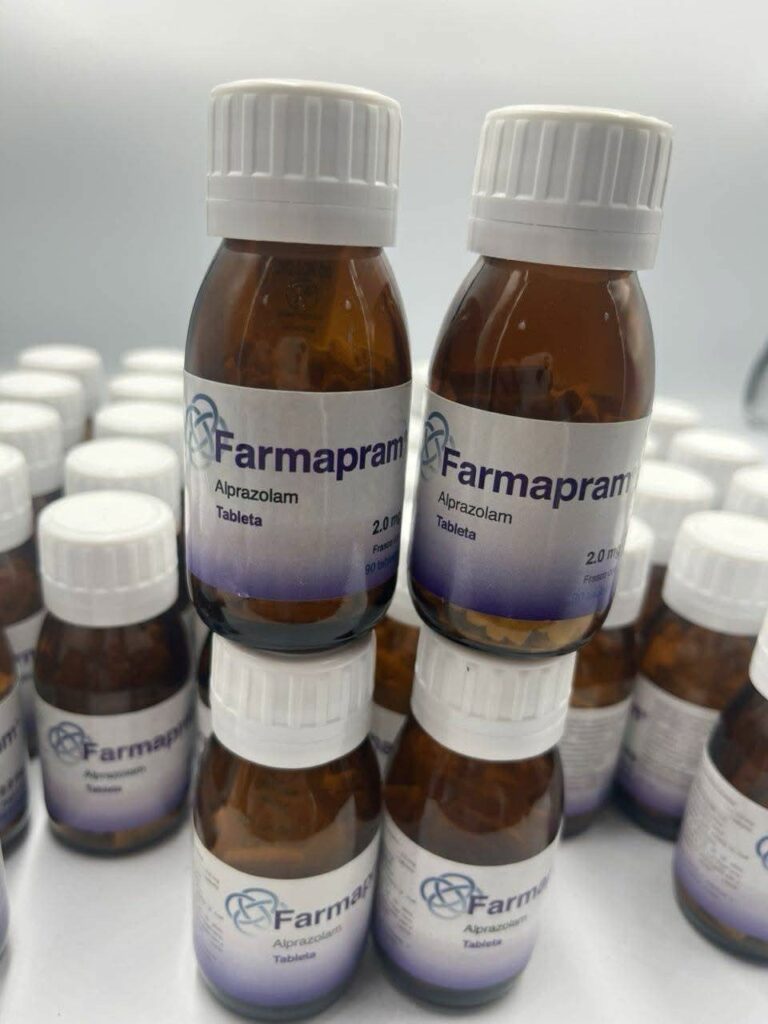
Xanax (Farmapram 2mg)
Price range: $60.00 through $500.00 -
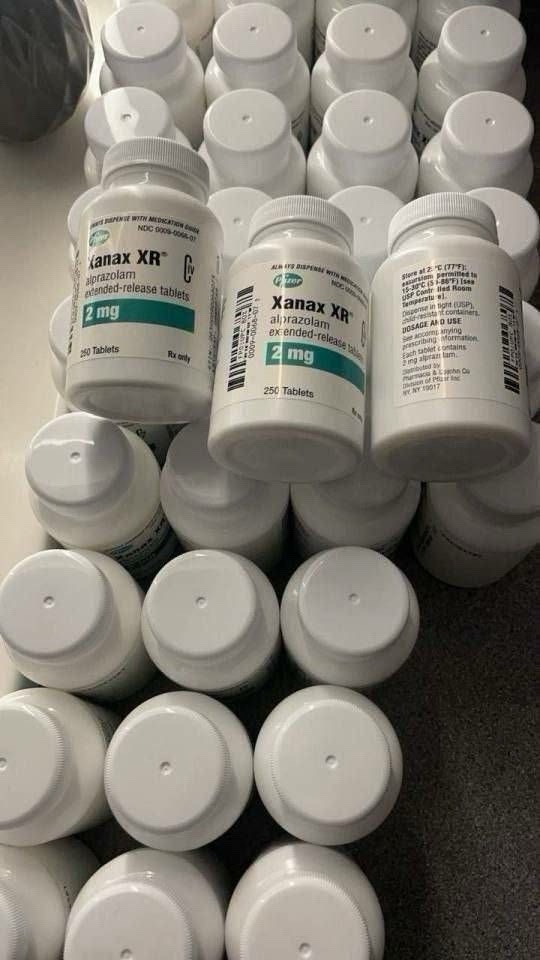
Xanax XR alprazolam 2mg
Price range: $60.00 through $900.00