Description
Microdosing Pills: Understanding the Science Behind Mushrooms
Microdosing Pills and Mushrooms: What They Are
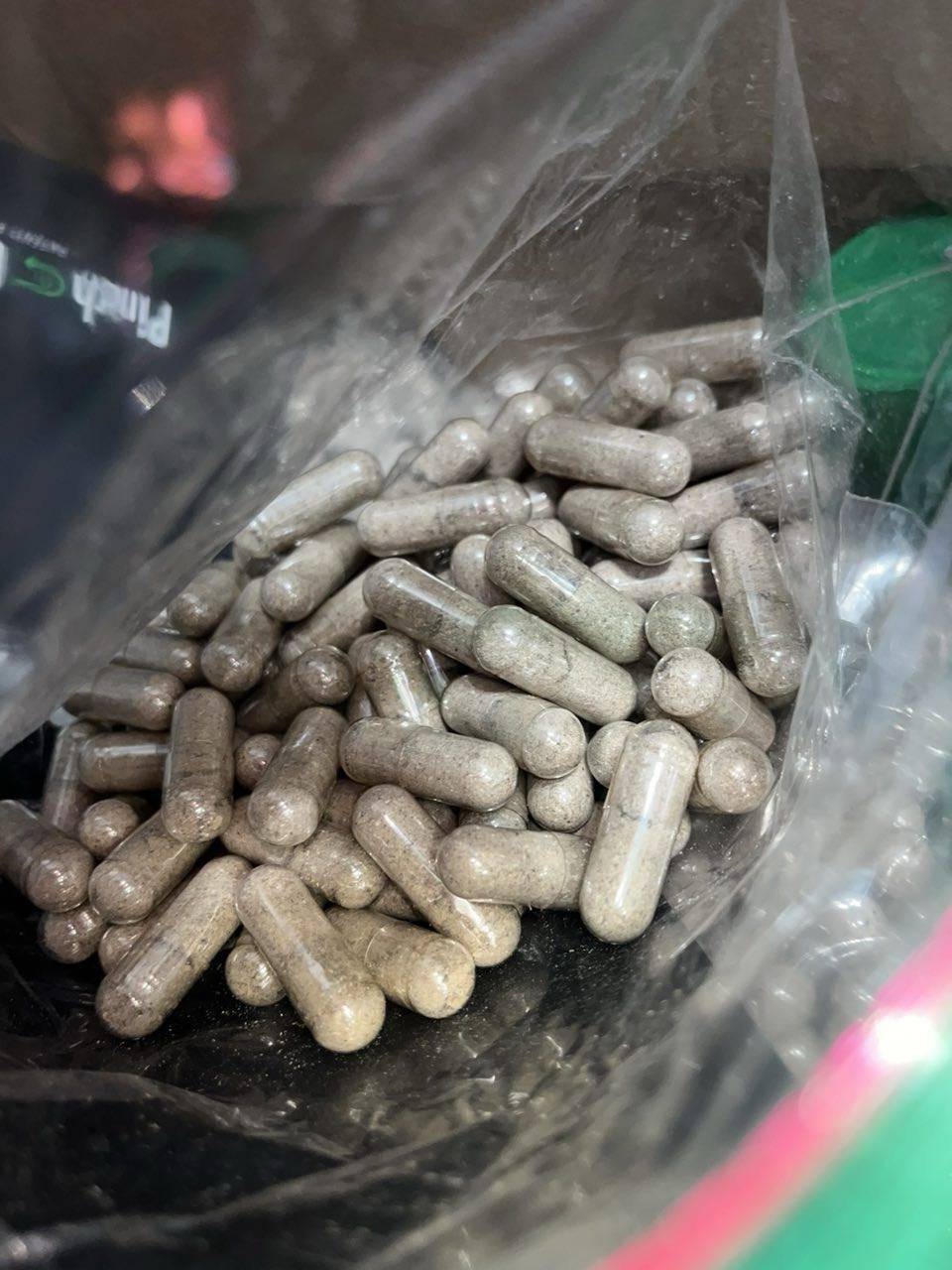
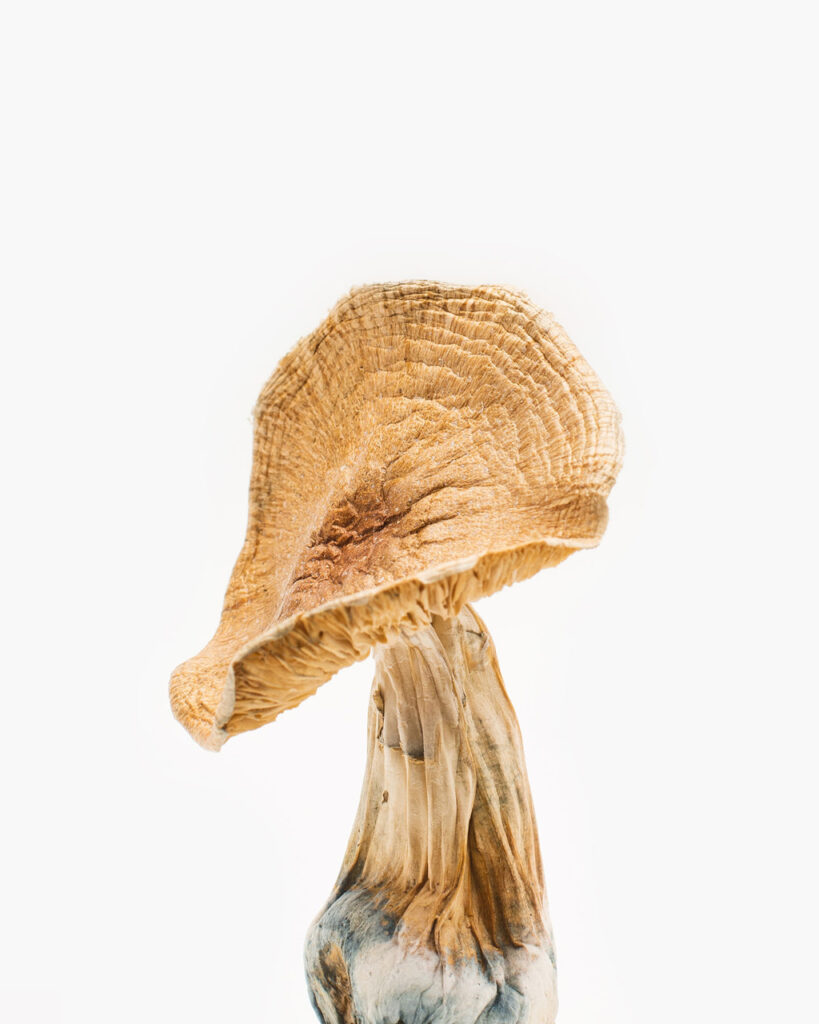
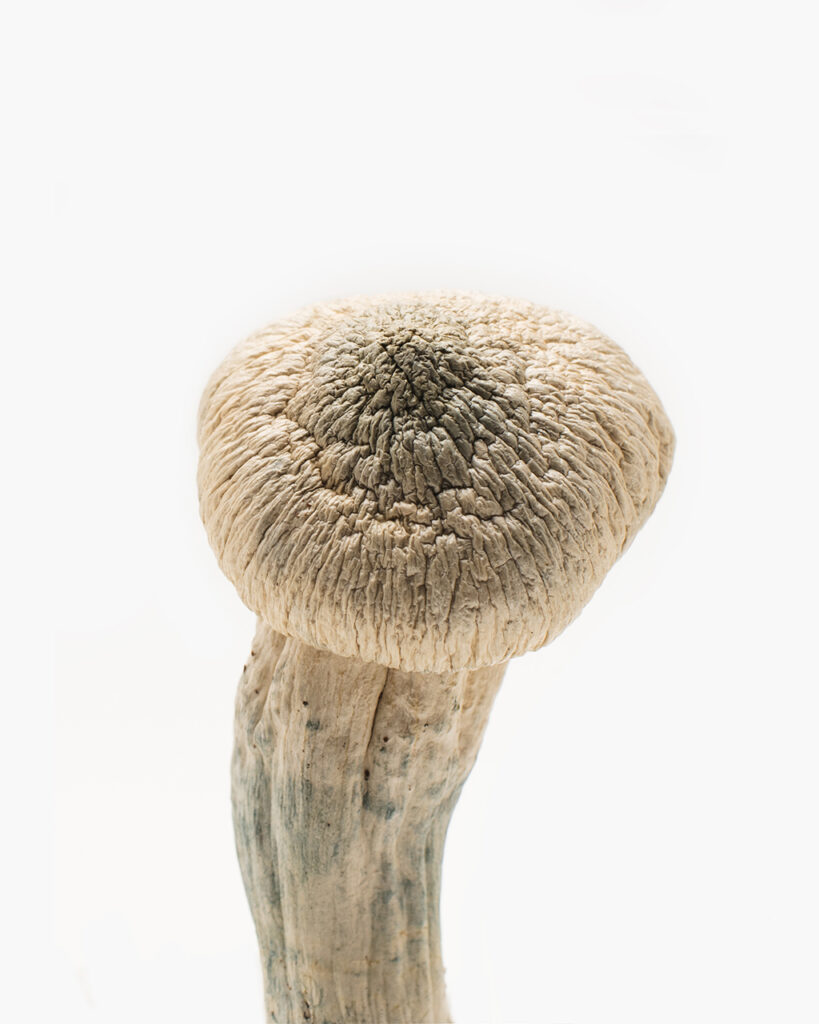
Microdosing pills are capsules or tablets formulated to deliver very small amounts of active compounds. In discussions about mushrooms, the term often refers to products associated with psilocybin-containing fungi, although microdosing may also involve legal functional mushrooms such as lion’s mane, reishi, or cordyceps. The intended concept behind microdosing is to use doses that are much lower than those associated with noticeable psychedelic effects.
Interest in microdosing has grown rapidly in recent years as researchers investigate whether very small doses of certain substances may have measurable effects on mood, cognition, creativity, or well-being. While many personal testimonials exist, scientific evidence is still developing, and researchers continue to study both potential benefits and risks. Microdosing pills
Microdosing Pills: Current Research on Mushrooms
Research into microdosing pills and mushrooms is ongoing. Clinical studies are exploring questions such as whether repeated low doses of psilocybin can influence mood disorders, anxiety, or other mental health conditions under carefully controlled medical settings.
Some early studies have reported promising findings, while others have found limited or mixed evidence. Scientists note that placebo effects, expectations, and individual differences can significantly influence reported outcomes. Larger, high-quality clinical trials are still needed before firm conclusions can be drawn.
Researchers are also investigating how psilocybin interacts with serotonin receptors in the brain and whether these interactions may contribute to changes in perception, emotional processing, and neural plasticity. Understanding these mechanisms is an important focus of modern neuroscience.
Microdosing Pills and Mushrooms: Safety, Risks, and Legal Considerations
Anyone interested in learning about microdosing pills and mushrooms should understand that safety depends on many factors, including the specific substance involved, individual health conditions, medications, and local laws.
Potential risks may include anxiety, changes in perception, impaired judgment, unwanted psychological effects, and interactions with certain medications. Because research is still evolving, experts recommend caution and emphasize that self-experimentation carries uncertainties.
The legal status of psilocybin-containing mushrooms varies significantly around the world. In many countries and jurisdictions they remain controlled substances, while some regions have introduced limited medical, research, or decriminalization policies. Anyone seeking information should consult the laws that apply where they live.
As scientific interest continues to grow, researchers hope future studies will provide clearer evidence regarding the effectiveness, safety, and appropriate medical uses of psilocybin and other mushroom-derived compounds.

Reviews
There are no reviews yet.