
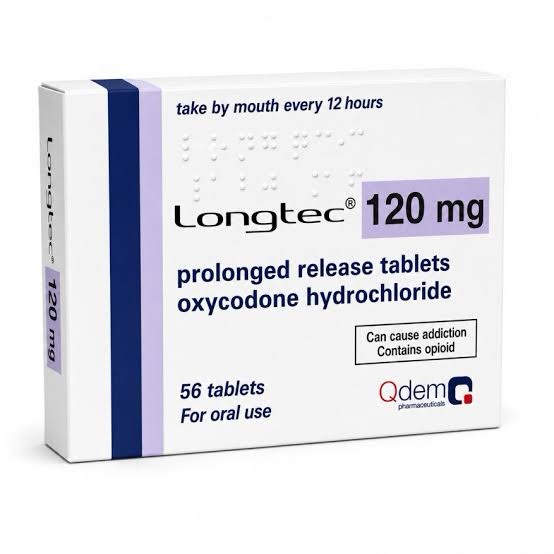
Description
Oxycodone 120mg
Oxycodone 120mg is a high-strength dose of oxycodone, a prescription opioid medication used to manage certain types of severe pain. Oxycodone works primarily by binding to opioid receptors in the central nervous system, changing how the body perceives and responds to pain.
Because oxycodone is a potent opioid, its use requires careful medical supervision. A 120 mg dose is a substantial amount of oxycodone and may be dangerous for people who are not opioid-tolerant. The appropriate dose depends on factors such as the patient’s medical condition, previous opioid exposure, the specific oxycodone formulation, and the prescribing clinician’s instructions.
What Is Oxycodone 120mg?
Oxycodone is an opioid analgesic prescribed for the treatment of moderate to severe pain when an opioid medication is considered appropriate. Oxycodone120 mg describes the amount of oxycodone in a particular dose or medication regimen; it does not by itself indicate that 120mg is an appropriate dose for every patient.
Different oxycodone products can have different formulations and dosing instructions. Extended-release formulations, for example, are designed differently from immediate-release formulations and must be used according to their specific prescribing information.
How Oxycodone 120mg Works
Oxycodone produces its pain-relieving effects primarily through activity at opioid receptors in the brain and spinal cord. This reduces the perception of pain and can also produce sedation and other effects associated with opioid medications.
The same effects that provide pain relief can also cause serious adverse effects, particularly when oxycodone is taken incorrectly or combined with other substances that depress the central nervous system.
Oxycodone 120 mg Safety Information
Oxycodone can cause respiratory depression, meaning that breathing can become dangerously slow or shallow. The risk is especially important with high doses, opioid-naive individuals, accidental ingestion, or combinations with other sedating substances.
Potential adverse effects can include:
• Drowsiness or sedation
• Dizziness
• Nausea and vomiting
• Constipation
• Confusion
• Low blood pressure
• Respiratory depression
• Physical dependence
• Opioid use disorder
• Overdose
Alcohol and other central nervous system depressants can increase the risk of severe sedation and respiratory depression.
Oxycodone and Other Medications
Patients should tell their healthcare professional about all prescription medicines, non-prescription medicines, and other substances they use before taking oxycodone.
Particular caution is required with other medications that can cause sedation or suppress breathing, including benzodiazepines and alcohol. Combining these substances can increase the risk of potentially fatal respiratory depression.
Oxycodone Dependence and Withdrawal
Repeated opioid use can lead to physical dependence. This means that stopping oxycodone suddenly after continued use may cause withdrawal symptoms.
Withdrawal can include restlessness, sweating, muscle aches, runny nose, nausea, vomiting, diarrhea, and difficulty sleeping. A healthcare professional can provide guidance about reducing or discontinuing opioid therapy safely when appropriate.
Oxycodone 120 mg and Overdose
Taking more oxycodone than prescribed can result in an overdose. Signs of opioid overdose may include extreme sleepiness, inability to wake the person, slow or shallow breathing, unusual snoring or gurgling sounds, pinpoint pupils, and blue or gray lips or fingertips.
An opioid overdose is a medical emergency. Emergency medical services should be contacted immediately. Naloxone, when available, can temporarily reverse opioid overdose and should be administered according to its instructions.
Important Information About Oxycodone 120 mg
Oxycodone 120 mg should only be used when specifically prescribed by a qualified healthcare professional. The strength, formulation, frequency, and duration of treatment should be determined by the prescriber. Never change an oxycodone dose on your own, crush or alter a formulation unless the prescribing information specifically allows it, or share oxycodone with another person. Oxycodone 120mg
Frequently Asked Questions
What is oxycodone 120 mg used for?
Oxycodone is used for the management of certain types of moderate to severe pain. Whether a 120 mg dose is appropriate depends on the individual patient and the specific formulation.
Is oxycodone 120 mg a high dose?
Yes. 120 mg represents a substantial amount of oxycodone, and the safety of that amount depends heavily on opioid tolerance, formulation, and medical supervision.
Can oxycodone 120 mg be combined with alcohol?
Combining oxycodone with alcohol can dangerously increase sedation and respiratory depression and should be avoided unless specifically directed by a healthcare professional.
Can oxycodone cause dependence?
Yes. Oxycodone can cause physical dependence and carries a risk of opioid use disorder.
What should I do if someone overdoses on oxycodone?
Seek emergency medical assistance immediately. If naloxone is available, administer it according to its instructions and remain with the person until emergency help arrives.
Conclusion
Oxycodone 120 mg is a high-strength opioid dose requiring careful medical supervision. Understanding its intended use, potential adverse effects, interactions, dependence risks, and overdose warning signs is essential for safe use. Always follow the prescribing professional’s instructions and the official medication labeling.



DDK –
Thanks man. Been Looking for this
Soso –
Just what I need ❤️
Cap –
Received
Jake –
Really impressed with the quality. Would definitely recommend.