
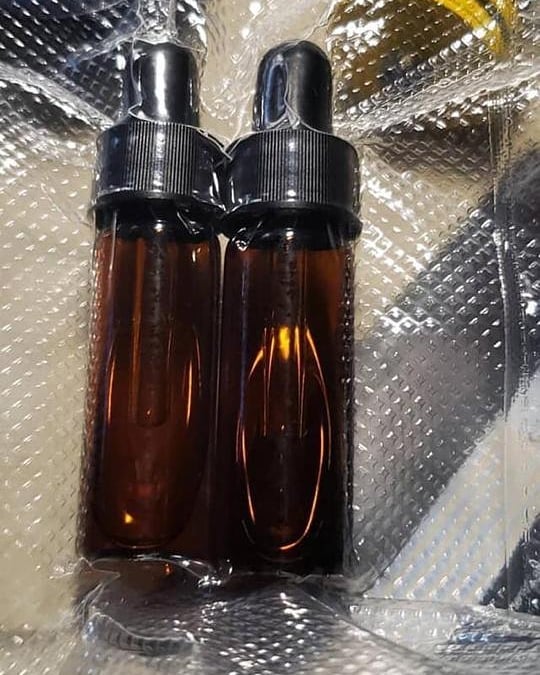


Description
Buy LSD Liquid/Vial Online
LSD vial or liquid LSD is the purest lsd you will find.Our vials are dosed at 300 ugs per drop
Formula: C20H25N3O
Light Dose: 20 – 75 ug
Common Dose: 50 – 150 ug
Strong Dose: 150 – 400 ug
Heavy Dose: 400 + ug
Buy liquid LSD Online (lysergic acid diethylamide), first synthesized in 1938, is an extremely potent hallucinogen. It is synthetically made from lysergic acid, which is found in ergot, a fungus that grows on rye and other grains. Due to its potent, its doses tend to be in the microgram range. LSD 200ug, LSD 200ug dode
Liquid LSD: An Educational Guide to Lysergic Acid Diethylamide
Liquid LSD is a liquid form of lysergic acid diethylamide (LSD), a powerful psychedelic and hallucinogenic substance known for producing significant changes in perception, mood, sensory experiences, and the perception of time. LSD is also known by terms such as acid and is one of the substances commonly discussed within the broader category of hallucinogens.
For people researching liquid LSD, understanding its chemistry, effects, risks, history, and legal status is important. LSD can appear in several physical forms, including liquid preparations, blotter paper, tablets, and other formats. The U.S. Drug Enforcement Administration identifies LSD as a potent hallucinogen and notes that it can cause substantial changes in perception and mood.
What Is Liquid LSD?
Liquid LSD refers to LSD present in a liquid preparation. LSD itself is the compound lysergic acid diethylamide. Unlike some forms of LSD that are associated with absorbent paper or tablets, liquid LSD is described by its physical presentation rather than representing a different type of LSD.
The distinction is therefore mainly about formulation. The active substance remains LSD, while the material in which it is present can differ.
Because LSD is highly potent, even seemingly small quantities can be associated with pronounced effects. This is one reason why information about liquid LSD should emphasize safety, uncertainty, and responsible education rather than assumptions about strength or contents.
Understanding LSD
LSD is a synthetic hallucinogen that can significantly alter perception. According to the DEA, effects may include visual changes, altered perceptions of depth and time, distorted perceptions of objects and sounds, and substantial changes in mood.
The experience can vary considerably between individuals. Factors such as psychological state, surroundings, expectations, other substances, and the actual composition of a product can influence the experience.
This variability is an important consideration when researching liquid LSD. Descriptions of one person’s experience should not automatically be interpreted as a prediction of how another person will respond.
Liquid LSD and Perception
One of the defining characteristics of LSD is its ability to alter sensory perception.
People under the influence may experience changes involving:
- Visual perception
- Sound
- Time perception
- Spatial awareness
- Mood
- Thought patterns
- Interpretation of surroundings
The DEA notes that LSD can cause extreme changes in mood and distortions in the perception of shapes, colors, movement, sound, touch, and one’s own body image.
These effects are part of why LSD is classified as a hallucinogen.
Psychological Effects of LSD
The psychological effects of liquid LSD can be unpredictable. Some experiences may involve unusual thoughts, altered perceptions, or significant changes in emotional state.
However, not every experience is positive. LSD can also be associated with anxiety, fear, paranoia, confusion, and depression. The DEA warns that serious psychological harm can occur and that some effects may persist beyond the immediate experience.
This makes it important to approach information about LSD from an evidence-based perspective rather than relying exclusively on promotional descriptions or personal anecdotes.
Physical Effects
Although LSD is primarily recognized for its psychological and perceptual effects, it can also produce physical changes.
Reported physical effects can include:
- Increased heart rate
- Increased blood pressure
- Dilated pupils
- Sweating
- Tremors
- Increased body temperature
- Reduced appetite
- Difficulty sleeping
- Dry mouth
These effects are documented in official drug information from the DEA.
The combination of psychological and physical effects means that LSD can affect a person’s ability to make judgments and respond appropriately to their surroundings.
Liquid LSD Versus Other Forms
LSD can occur in different physical forms. The DEA identifies liquid LSD alongside forms such as saturated absorbent paper, tablets, microdots, and saturated sugar cubes.
The physical form does not necessarily mean that one form is inherently safer than another. More important considerations include the identity and concentration of the substance, potential adulteration, individual response, and the surrounding circumstances.
For this reason, the term liquid LSD should not be interpreted as describing a separate chemical substance. It generally describes LSD presented in liquid form.
Risks Associated With Liquid LSD
Researching liquid LSD should include awareness of potential risks.
One major concern is unpredictability. A person may not know the actual composition or concentration of an illicit substance. Misidentified or contaminated substances can create additional risks.
Psychological reactions can also become severe. Anxiety, paranoia, fear, confusion, and impaired judgment may occur. The DEA notes that dangerous behavior and accidents can contribute to serious outcomes associated with hallucinogen use.
Another concern is the possibility of persistent perceptual disturbances. The DEA notes that Hallucinogen Persisting Perception Disorder, sometimes involving recurring aspects of previous drug experiences, has been reported after hallucinogen use.
LSD and Mental Health
Psychedelic substances can produce intense psychological experiences. For some people, these experiences may be distressing or destabilizing.
Individuals experiencing severe confusion, extreme agitation, dangerous behavior, loss of consciousness, seizures, or other serious symptoms require urgent medical attention.
It is also important to recognize that online accounts of psychedelic experiences are not substitutes for professional medical information.
Legal Status
The legal status of LSD varies internationally, but it is heavily controlled in many jurisdictions.
For example, the DEA states that LSD is a Schedule I controlled substance under U.S. federal law. The agency describes it as having a high potential for misuse and no currently accepted medical use for treatment in the United States.
Laws in other countries can differ substantially. Anyone researching liquid LSD should consult the current laws applicable to their own jurisdiction rather than relying on information from another country.
Why Is LSD Called a Hallucinogen?
LSD belongs to a category of substances known as hallucinogens because it can significantly alter perception and sensory processing.
Hallucinogens can influence how a person experiences:
- Colors
- Shapes
- Sounds
- Time
- Space
- Emotions
- Thoughts
- Body sensations
The intensity and nature of these changes can vary significantly.
This is why liquid LSD is frequently discussed in scientific and educational resources concerning altered states of consciousness and hallucinogenic drugs.
LSD Research
LSD has been the subject of scientific research for decades. Researchers have investigated its effects on perception, cognition, brain activity, and psychological experiences.
Modern psychedelic research has also examined LSD and related substances in controlled research environments. Such studies are distinct from recreational or uncontrolled use because researchers can carefully monitor participants and establish controlled conditions.
When reading about liquid LSD, it is therefore useful to distinguish peer-reviewed scientific research from anecdotal claims, marketing material, and online discussion.
Frequently Asked Questions About Liquid LSD
What is liquid LSD?
Liquid LSD is LSD presented in liquid form. The active chemical is lysergic acid diethylamide, while the liquid format describes how the substance is physically presented.
Is liquid LSD different from LSD on blotter paper?
The physical form can differ, but both may contain LSD as the active substance. LSD has been documented in liquid and absorbent-paper forms, among others.
What effects can LSD have?
LSD can produce major changes in perception, mood, sensory processing, time perception, and thought patterns. It can also produce anxiety, fear, paranoia, and other adverse psychological effects.
Is liquid LSD legal?
The answer depends on the jurisdiction. LSD is strictly controlled in many countries. In the United States, for example, the DEA identifies LSD as a Schedule I controlled substance.
Can LSD cause psychological problems?
Yes. LSD can cause acute anxiety, fear, paranoia, and other serious psychological effects. Persistent perceptual disturbances have also been reported.
Conclusion
Liquid LSD is a liquid presentation of lysergic acid diethylamide, a potent hallucinogenic substance capable of producing substantial changes in perception, mood, sensory processing, and time perception.
Understanding liquid LSD requires more than knowing its physical form. Important topics include its psychological effects, physical effects, potential risks, unpredictable reactions, and legal status. Official sources describe LSD as capable of producing serious psychological effects, including anxiety, paranoia, fear, and perceptual disturbances.
For anyone researching liquid LSD, reliable scientific and governmental information is preferable to unverified claims. Laws and regulations should also be checked in the relevant jurisdiction because controlled-substance rules differ between countries.
Ultimately, an evidence-based understanding of liquid LSD can help readers distinguish factual information from myths and recognize the potential risks associated with this powerful hallucinogenic substance.


Reviews
There are no reviews yet.