

Description
Methamphetamine (Meth) also known as crystal meth: Effects, Risks, Signs of Use, and Treatment1
Methamphetamine, commonly called meth, is a powerful and highly addictive synthetic stimulant that affects the central nervous system. It is chemically related to amphetamine but produces much stronger and longer-lasting stimulant effects. Methamphetamine can significantly increase activity in the brain and body, affecting mood, energy, alertness, heart rate, blood pressure, appetite, and sleep. meth pipe
The term crystal meth is commonly used to describe a crystalline form of methamphetamine. It is sometimes referred to by other street names, but regardless of its appearance or name, methamphetamine can produce serious physical and psychological consequences. Repeated exposure can lead to dependence, addiction, and substantial changes in brain function.
Understanding methamphetamine is important because its effects can extend far beyond the initial stimulant experience. Long-term use may affect the cardiovascular system, nervous system, teeth, skin, mental health, and overall physical functioning. Fortunately, treatment and recovery are possible, and people experiencing methamphetamine addiction can benefit from professional support.
What Is Methamphetamine?(crystal meth)
Methamphetamine is a synthetic stimulant that increases the activity of certain chemical messengers in the brain, particularly dopamine and norepinephrine. Dopamine plays an important role in motivation, reward, movement, and pleasure, while norepinephrine is involved in alertness and the body’s stress response.
Because methamphetamine strongly affects these systems, it can temporarily produce increased alertness, energy, concentration, and feelings of confidence or pleasure. These effects can be followed by unpleasant physical and psychological effects, especially as the drug leaves the body.
Methamphetamine has legitimate medical uses in very limited circumstances in some countries, but its nonmedical use carries significant risks. The illegal production and distribution of methamphetamine also create additional dangers because illicit products may vary considerably in strength, purity, and composition.
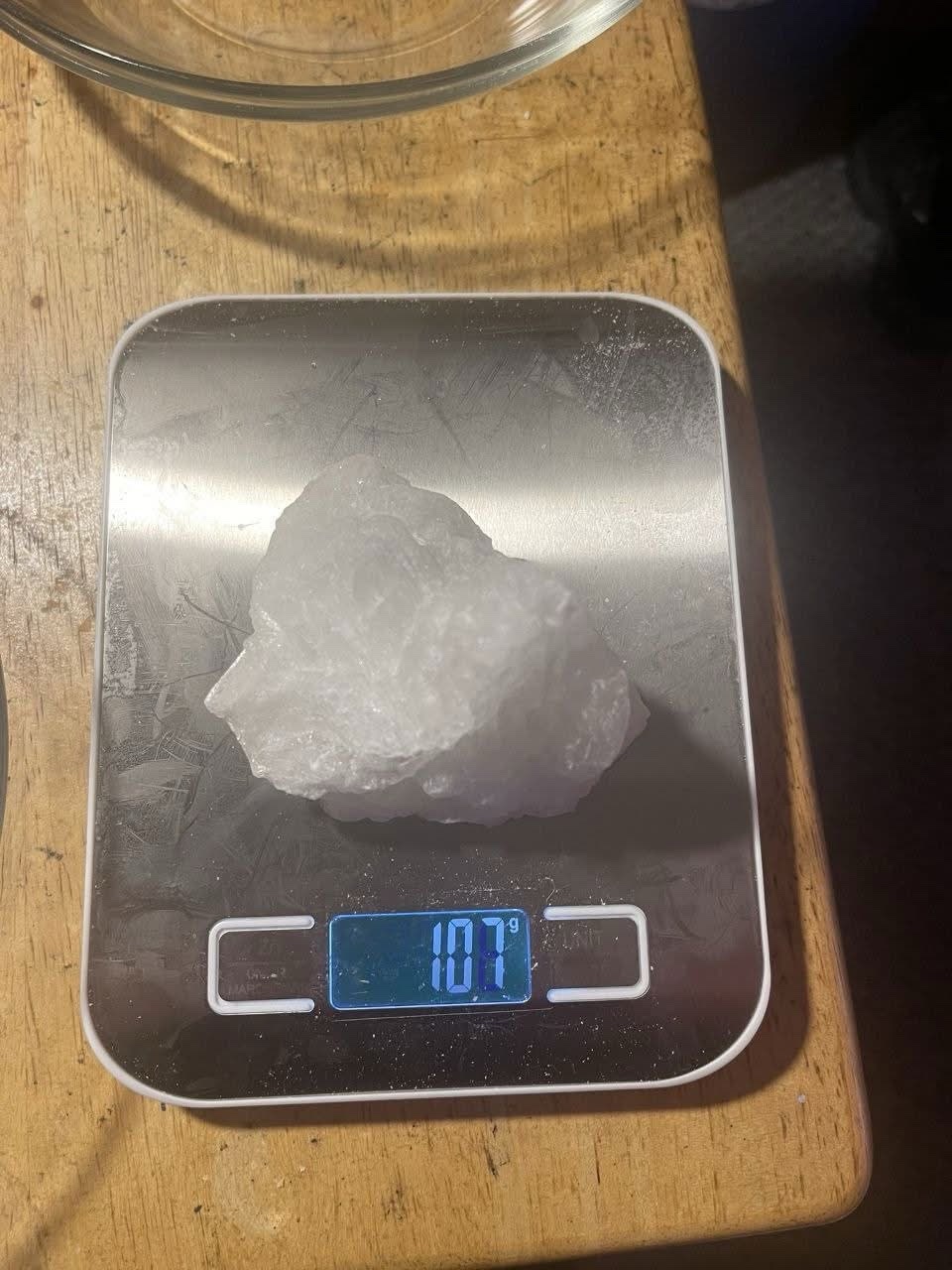
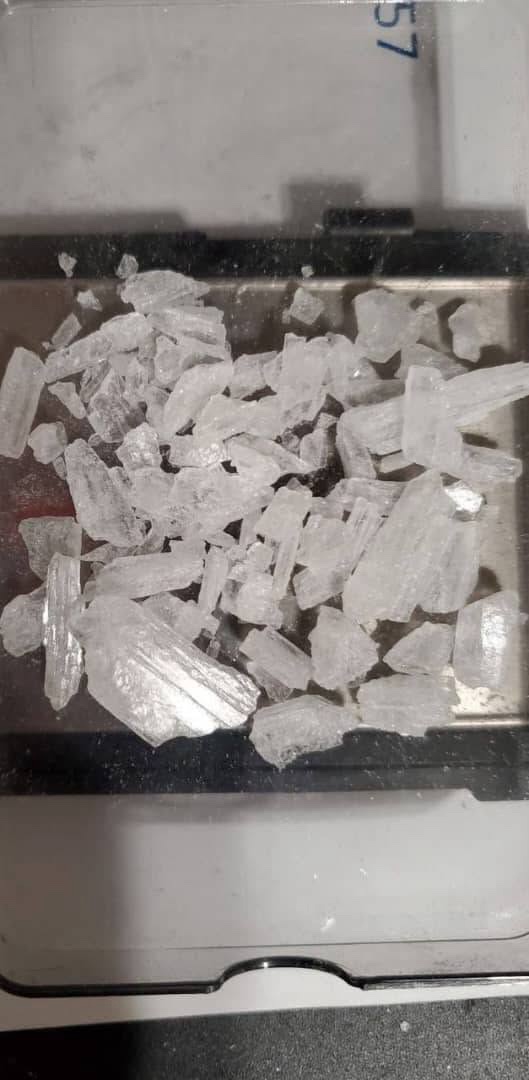
What Is Crystal Meth?
Crystal meth is a common term for methamphetamine in a crystalline form. The crystals may vary in color and appearance, but appearance cannot reliably determine the contents, strength, or safety of an illicit substance.
People sometimes believe that crystal meth is fundamentally different from methamphetamine. In reality, crystal meth refers to a physical form of the same drug. The important concern is the presence of methamphetamine and its powerful stimulant effects.
Because illicitly produced substances can contain unexpected contaminants or other chemicals, a person may not know exactly what they have been exposed to. This uncertainty can increase the risk of poisoning, overdose, or other complications.
Methamphetamine Effects on the Body
The methamphetamine effects experienced by a person can vary depending on factors such as the amount taken, individual physiology, frequency of use, other substances involved, and overall health.
Short-term effects can include increased alertness, increased energy, decreased appetite, reduced need for sleep, rapid heart rate, increased blood pressure, and increased body temperature.
Some people may also experience anxiety, agitation, irritability, restlessness, or difficulty concentrating despite initially feeling more alert. In some cases, methamphetamine can produce paranoia, hallucinations, confusion, or aggressive behavior.
The cardiovascular system is particularly vulnerable to stimulant effects. Methamphetamine can place significant stress on the heart and blood vessels. Serious complications can include abnormal heart rhythms, dangerously high blood pressure, heart attack, stroke, and other cardiovascular emergencies.
Psychological Effects of Methamphetamine
Methamphetamine can have significant effects on mental health. Some people may initially experience increased confidence, excitement, motivation, or euphoria. However, these effects can be accompanied by anxiety, irritability, suspiciousness, and difficulty sleeping.
With repeated use, psychological symptoms may become more severe. Some individuals develop intense paranoia or experience hallucinations. Methamphetamine-associated psychosis can sometimes continue after the immediate drug effects have diminished and requires professional medical assessment.
Changes in sleep patterns can also contribute to psychological problems. Prolonged periods without adequate sleep can worsen anxiety, mood instability, confusion, and impaired judgment.
Long-Term Methamphetamine Effects
Repeated methamphetamine exposure can affect many areas of physical and psychological health.
One of the major concerns is the development of methamphetamine addiction. Because methamphetamine strongly stimulates the brain’s reward system, repeated exposure can reinforce drug-seeking behavior and make it increasingly difficult for someone to stop using it without support.
Long-term use may contribute to cardiovascular problems, sleep disturbances, weight loss, dental problems, skin problems, memory difficulties, and changes in emotional functioning.
Long-term psychological effects may include anxiety, depression, paranoia, impaired concentration, and persistent psychotic symptoms in some individuals.
Research has also demonstrated that repeated stimulant exposure can produce changes in brain systems involved in attention, learning, memory, and reward. Recovery can involve gradual improvements, although the experience varies considerably between individuals.
Methamphetamine and Dental Health
Severe dental problems are commonly associated with chronic methamphetamine use. People may experience extensive tooth decay, broken teeth, gum disease, and tooth loss.
Several factors may contribute to these problems. Methamphetamine can reduce saliva production, causing dry mouth. It may also be associated with prolonged periods of poor oral hygiene, reduced appetite, consumption of sugary drinks or foods, and behaviors such as teeth grinding.
Dental problems can become painful and affect eating, speaking, and overall quality of life. Professional dental care is therefore an important component of recovery for people affected by long-term methamphetamine use.
Methamphetamine and the Heart
The cardiovascular system can be particularly affected by stimulant drugs.
Methamphetamine can increase heart rate and blood pressure while causing blood vessels to constrict. These changes place additional demands on the heart.
Serious cardiovascular complications may include irregular heart rhythms, heart attack, cardiomyopathy, and stroke. A person experiencing severe chest pain, difficulty breathing, fainting, seizures, extreme agitation, or other signs of a medical emergency should receive immediate emergency medical attention.
Signs of Methamphetamine Use
Recognizing possible signs of methamphetamine use can help families and healthcare professionals identify when someone may need assistance.
Possible physical signs include:
Increased heart rate
Increased body temperature
Reduced appetite
Significant changes in sleep
Excessive sweating
Dilated pupils
Weight loss
Repetitive movements
Teeth grinding
Skin picking
Poor dental health
Possible behavioral or psychological changes include:
Increased irritability
Anxiety
Suspiciousness
Social withdrawal
Unusual energy levels
Rapid speech
Difficulty sleeping
Changes in relationships
Problems at school or work
Financial or legal difficulties
Strong cravings or compulsive drug-seeking behavior
These signs do not prove that someone is using methamphetamine because many medical and psychological conditions can cause similar symptoms. Professional evaluation is therefore important.
Methamphetamine Addiction and Dependence
Addiction is a complex medical condition rather than simply a lack of willpower. Methamphetamine can produce powerful changes in the brain’s reward and motivation systems.
A person with methamphetamine use disorder may continue using the drug despite experiencing health, relationship, financial, academic, or occupational problems.
Possible signs of a substance use disorder include repeatedly using more than intended, unsuccessful attempts to stop, spending substantial time obtaining or recovering from drug use, experiencing strong cravings, and continuing use despite harmful consequences.
Dependence and addiction are related but are not identical. Physical or psychological dependence can develop as the body adapts to repeated exposure, while addiction involves compulsive use and difficulty controlling behavior despite negative consequences.
Methamphetamine Withdrawal
When someone who has been using methamphetamine regularly stops, they may experience withdrawal symptoms.
Common symptoms can include extreme tiredness, increased appetite, sleeping for long periods, depressed mood, irritability, anxiety, difficulty concentrating, and strong cravings.
Some people experience significant emotional distress during withdrawal. Depression can become particularly concerning, and professional support may be necessary to help a person remain safe and begin recovery.
Withdrawal is generally managed through supportive care, monitoring, counseling, and treatment of associated symptoms. A healthcare professional can determine the appropriate level of care for each individual.
Treatment for Methamphetamine Addiction
Treatment for methamphetamine addiction can involve several approaches. There is currently no single medication that universally eliminates methamphetamine addiction, so behavioral therapies and comprehensive support are important components of treatment.
Behavioral interventions can help people identify triggers, develop coping skills, manage cravings, establish healthier routines, and reduce the likelihood of returning to substance use.
Treatment may take place in outpatient programs, residential facilities, hospitals, community programs, or other healthcare settings depending on the person’s circumstances.
Mental health support can also be important. People affected by methamphetamine use may experience depression, anxiety, trauma-related symptoms, or psychosis. Addressing these problems can improve the overall recovery process.
Recovery From Methamphetamine Use
Recovery is possible, although it can take time. Some people require multiple treatment attempts before achieving sustained recovery.
A strong recovery plan may involve healthcare professionals, counselors, peer-support groups, family members, and other trusted individuals.
Healthy sleep, nutrition, physical activity, social support, and structured daily routines can also contribute to recovery. However, lifestyle changes should complement rather than replace professional treatment when a person has a significant substance use disorder.
Relapse can occur during recovery, but it does not mean that treatment has failed. It can be an indication that the treatment plan needs to be adjusted or strengthened.
Methamphetamine Overdose
Methamphetamine poisoning or overdose can be life-threatening. Severe symptoms may include extreme agitation, dangerously high body temperature, seizures, severe chest pain, difficulty breathing, loss of consciousness, severe confusion, or signs of stroke.
An individual experiencing suspected stimulant poisoning requires urgent medical attention. Emergency professionals should be informed about the substance involved whenever possible because this information can help guide appropriate treatment.
People should not attempt to manage a severe overdose alone.
Methamphetamine and Public Health
Methamphetamine use affects more than the individual. Addiction can affect families, relationships, workplaces, communities, and healthcare systems.
Public health approaches commonly focus on prevention, education, early intervention, treatment, recovery support, and reducing the harms associated with substance use.
Education is particularly important because misconceptions about stimulants can lead people to underestimate their risks. Understanding the potential methamphetamine effects can help individuals make informed decisions and recognize warning signs that require professional attention.
Frequently Asked Questions About Methamphetamine
Is methamphetamine addictive?
Yes. Methamphetamine has a high potential for addiction because it strongly affects the brain’s reward system. Repeated use can lead to cravings, compulsive use, and difficulty stopping.
Is crystal meth the same as methamphetamine?
Crystal meth is a commonly used term for a crystalline form of methamphetamine. The term describes the form or appearance rather than a completely different drug.
What are the main methamphetamine effects?
Potential effects include increased alertness and energy, increased heart rate and blood pressure, reduced appetite, sleep disruption, anxiety, agitation, paranoia, and, in serious cases, cardiovascular emergencies or psychosis.
Can someone recover from methamphetamine addiction?
Yes. Recovery is possible. Treatment can include behavioral therapy, counseling, medical care, peer support, and ongoing recovery services.
How does methamphetamine affect the brain?
Methamphetamine strongly influences neurotransmitter systems involving dopamine and norepinephrine. Repeated exposure can alter reward, motivation, attention, learning, and emotional regulation.
Conclusion
Methamphetamine is a powerful stimulant with significant potential for addiction and serious health consequences. Crystal meth is a commonly used term for a crystalline form of methamphetamine, and its appearance does not make the substance safe.
The methamphetamine effects can involve the brain, heart, blood vessels, teeth, skin, mental health, and overall physical functioning. Short-term effects may include increased energy and alertness, while repeated use can contribute to dependence, addiction, cardiovascular problems, psychological difficulties, and other serious health complications.
Understanding the risks of methamphetamine is an important part of prevention and early intervention. People who are struggling with methamphetamine use do not have to manage the problem alone. Professional healthcare providers, addiction-treatment services, counselors, and supportive communities can provide assistance.
If you or someone you know is experiencing problems related to methamphetamine use, seeking professional medical or addiction-treatment support is an important step toward recovery.





Reviews
There are no reviews yet.